Request Demo

Versandmanufaktur and GLS: From 1 to 3 Systems

Versandmanufaktur is a 3PL fulfillment operator and a subsidiary of GLS. The company made the transition from manual picking to goods-to-person automation with NEO – and has since scaled from one to three G2P systems. This expansion is the strongest proof of what matters most in the automation market: a repeat purchase decision based on live operational experience.
400
picks/h
Picking throughput per station
70%
less
Picking labor required
2-3×
higher
Warehouse capacity
1 → 3
systems
G2P stations scaled
€0
CapEx
Pay-per-pick model

Versandmanufaktur is a 3PL fulfillment operator and a subsidiary of GLS. The company made the transition from manual picking to goods-to-person automation with NEO - and has since scaled from one to three G2P systems. This expansion is the strongest proof of what matters most in the automation market: a repeat purchase decision based on live operational experience.

Versandmanufaktur, a 3PL fulfillment operator and subsidiary of GLS, automated picking in its existing shelf warehouse using NEO by NEOintralogistics. After a successful pilot, the system was adopted into daily operations and expanded to three goods-to-person stations. Picking throughput reaches 400 picks per hour. The entire implementation was carried out without upfront investment under a pay-per-pick model.

Die Ausgangslage

Als 3PL-Dienstleister steht die Versandmanufaktur vor einem spezifischen Set an Herausforderungen, das sich von produzierenden Unternehmen oder Eigenlagerbetreibern deutlich unterscheidet.

Multi-Client-Betrieb

Das Lager bedient mehrere Auftraggeber gleichzeitig. Jeder Kunde bringt eigene Artikelspektren, eigene Anforderungen an Verpackung und Versand und eigene Volumenschwankungen mit. Die operative Komplexität ist entsprechend hoch.

Schwankendes Volumen

Fulfillment-Dienstleister arbeiten mit stark variablen Tagesvolumina. Peak-Saisons wie Black Friday, Weihnachtsgeschäft oder saisonale Kampagnen können das Tagesvolumen um ein Vielfaches steigern - gefolgt von Phasen mit deutlich niedrigerem Auftragseingang.

Personaldruck

In einem Umfeld mit schwankendem Bedarf ist die Personalplanung besonders anspruchsvoll. Temporäres Personal muss schnell eingearbeitet werden, die Fluktuation ist hoch und die Verfügbarkeit gerade in Peak-Zeiten eingeschränkt.

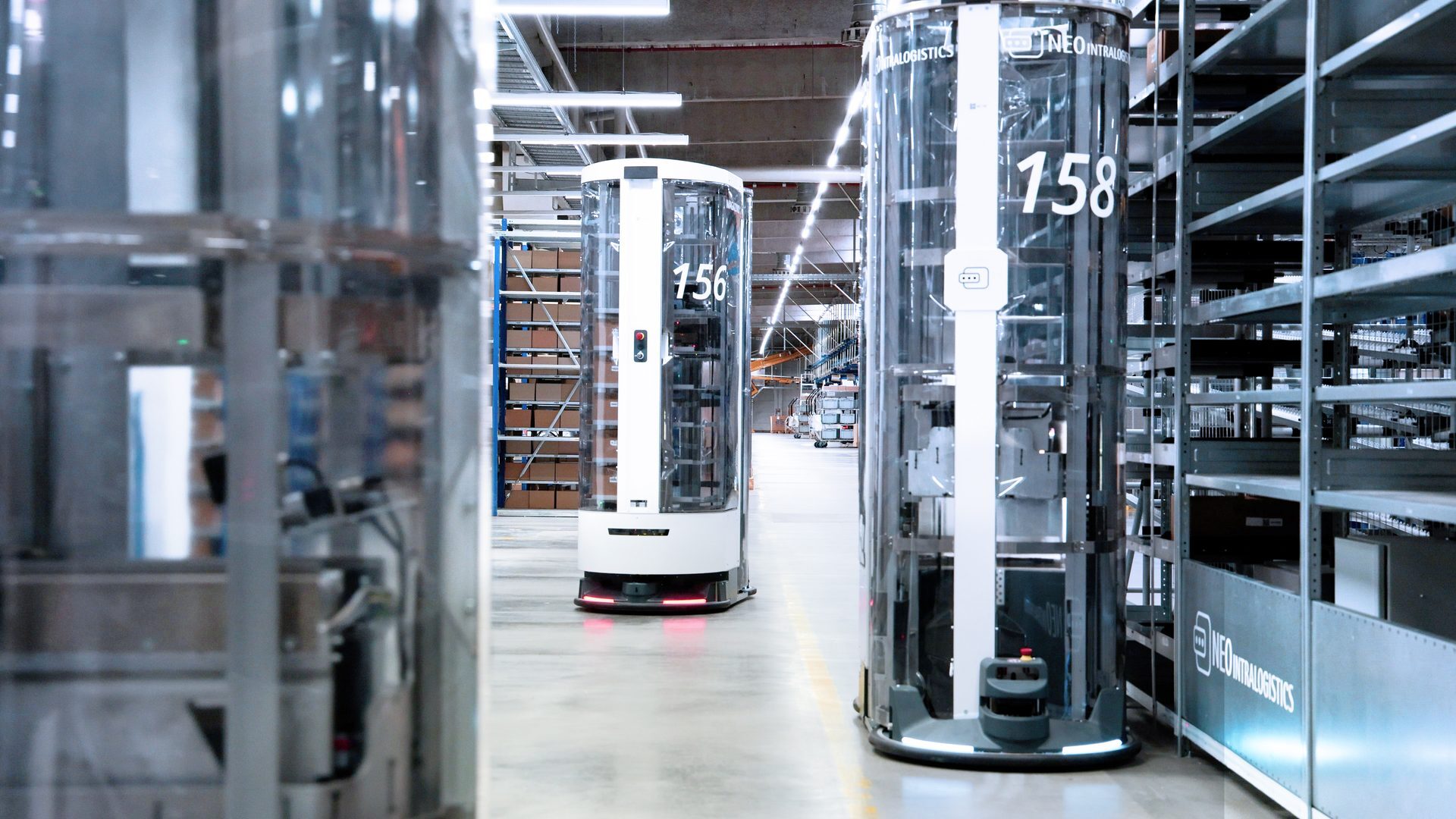
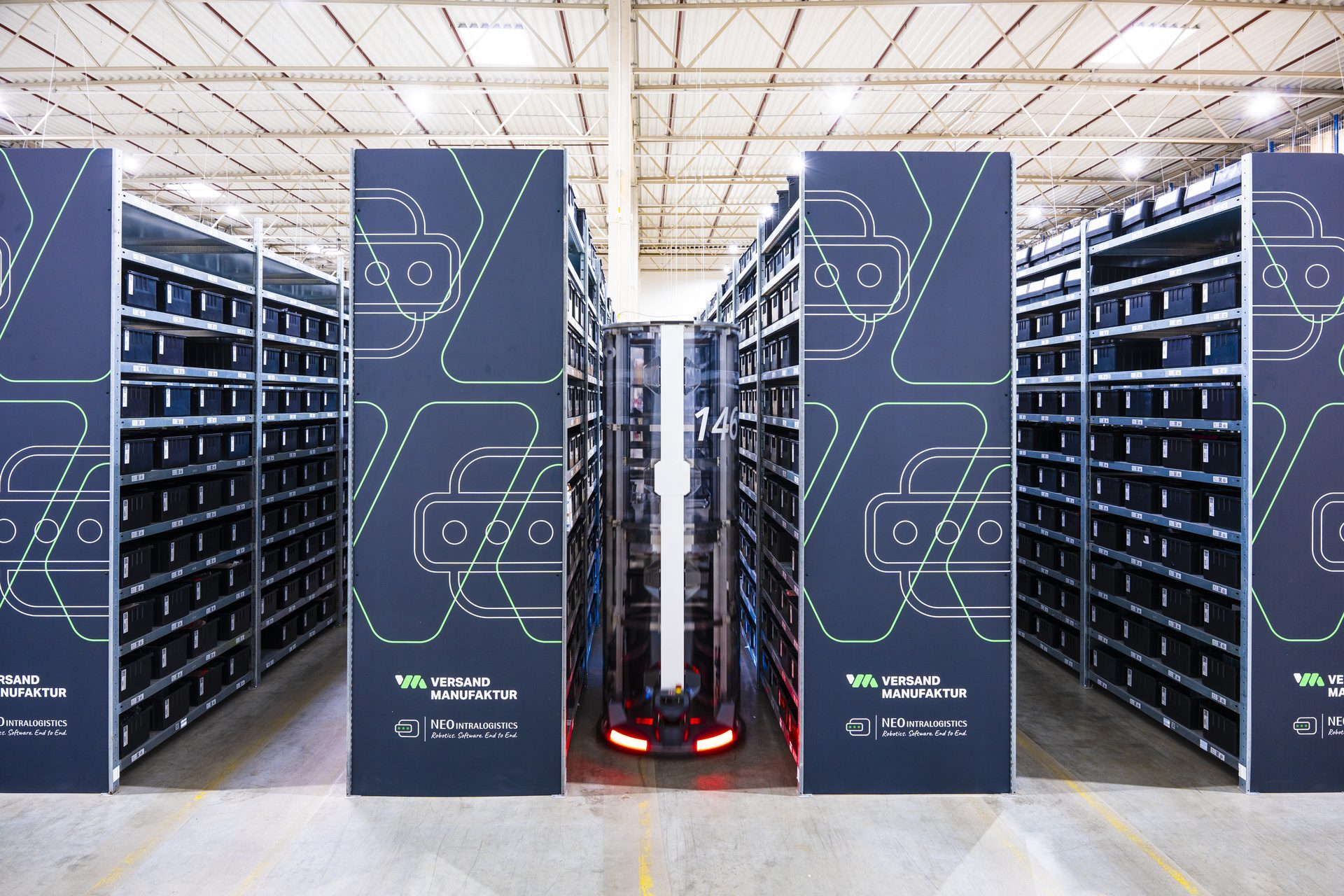
Symmetrische Draufsicht auf TORU-Roboter in der Regalgasse der Versandmanufaktur

Bestehende Infrastruktur

Die Versandmanufaktur arbeitet mit konventionellen Fachbodenregalen. Ein Neubau oder die Umstellung auf eine komplett neue Lagertechnologie war keine Option - zu teuer, zu langwierig und zu riskant für ein Geschäftsmodell, das auf Flexibilität aufbaut.

Der Weg zu NEO

Die Entscheidung für NEO fiel aus drei Gründen:

Erstens: Automatisierung ohne CapEx. Als 3PL-Dienstleister ist die Versandmanufaktur besonders kostengetrieben. Das Pay-per-Pick-Modell von NEO eliminiert das Investitionsrisiko vollständig. Es gibt keine Anschaffungskosten, kein Leasing und keine langfristige Kapitalbindung. Die Kosten skalieren direkt mit dem tatsächlichen Volumen - genau das, was ein Fulfillment-Geschäft braucht.

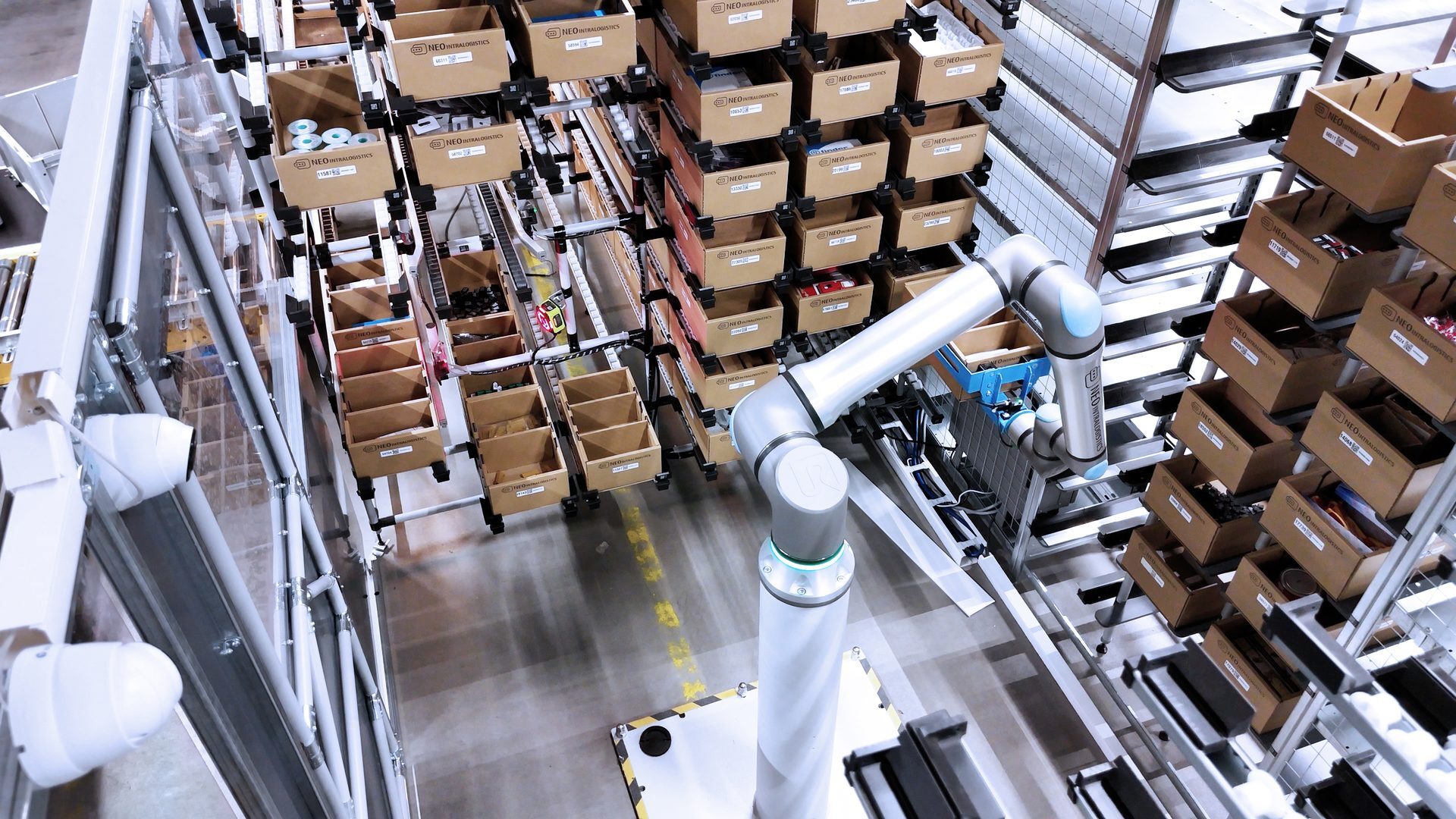
Zweitens: Integration im Bestand. NEO arbeitet in den bestehenden Fachbodenregalen. Kein Umbau, kein Neubau, kein Stillstand. Für einen laufenden Lagerbetrieb mit aktiven Kundenverträgen ist das entscheidend - eine monatelange Bauphase ist schlicht nicht darstellbar.

Drittens: Schnelle Ergebnisse. NEO-Implementierungen erreichen den Produktivbetrieb in 6 bis 8 Wochen. Für die Versandmanufaktur bedeutete das: Ergebnisse innerhalb eines Quartals, nicht innerhalb eines Jahres.

Mehr zum Pay-per-Pick-Modell →

Die Umsetzung: Vom Pilot zum Produktivbetrieb

Die Einführung von NEO bei der Versandmanufaktur folgte einem strukturierten Pfad, der das Risiko für den laufenden Betrieb minimierte.

1

Pilotprojekt

Start mit einer einzelnen G2P-Station und begrenzter AMR-Flotte. WMS-Anbindung, Einrichtung der Ware-zur-Person-Station, Einfahren der Roboter in vorhandene Regalgassen. Ziel: Nachweis, dass die Automatisierung im Tagesgeschäft funktioniert.

2

Proof of Concept

Test unter Volllast: Hält die Pickleistung im Dauerbetrieb? Funktioniert die WMS-Integration zuverlässig? Die Ergebnisse überzeugten - stabile Pickleistung, sinkende Fehlerquote, reduzierte körperliche Belastung.

3

Produktivbetrieb

Die erste G2P-Station ging in den regulären Tagesbetrieb über. NEO wurde ein fester Bestandteil der operativen Infrastruktur der Versandmanufaktur.

The Results

400picks/h
Picking throughput per station
70%
Less picking labor required
2-3×
Higher warehouse capacity
6–8weeks
From decision to go-live
0
Upfront investment
400 picks/h Picking throughput per G2P station

“No other provider combines such a simple automation solution with higher storage density like NEO. We see great potential to significantly support our fulfillment strategy with NEO.”

Frank Hammermeister
CEO, Versandmanufaktur GmbH (GLS Group)

The 400 picks per hour are particularly relevant in the 3PL context: in an environment where labor availability is the limiting factor, this level of picking throughput per station represents a fundamental shift in operational capability.

Scaling: From 1 to 3 G2P Stations
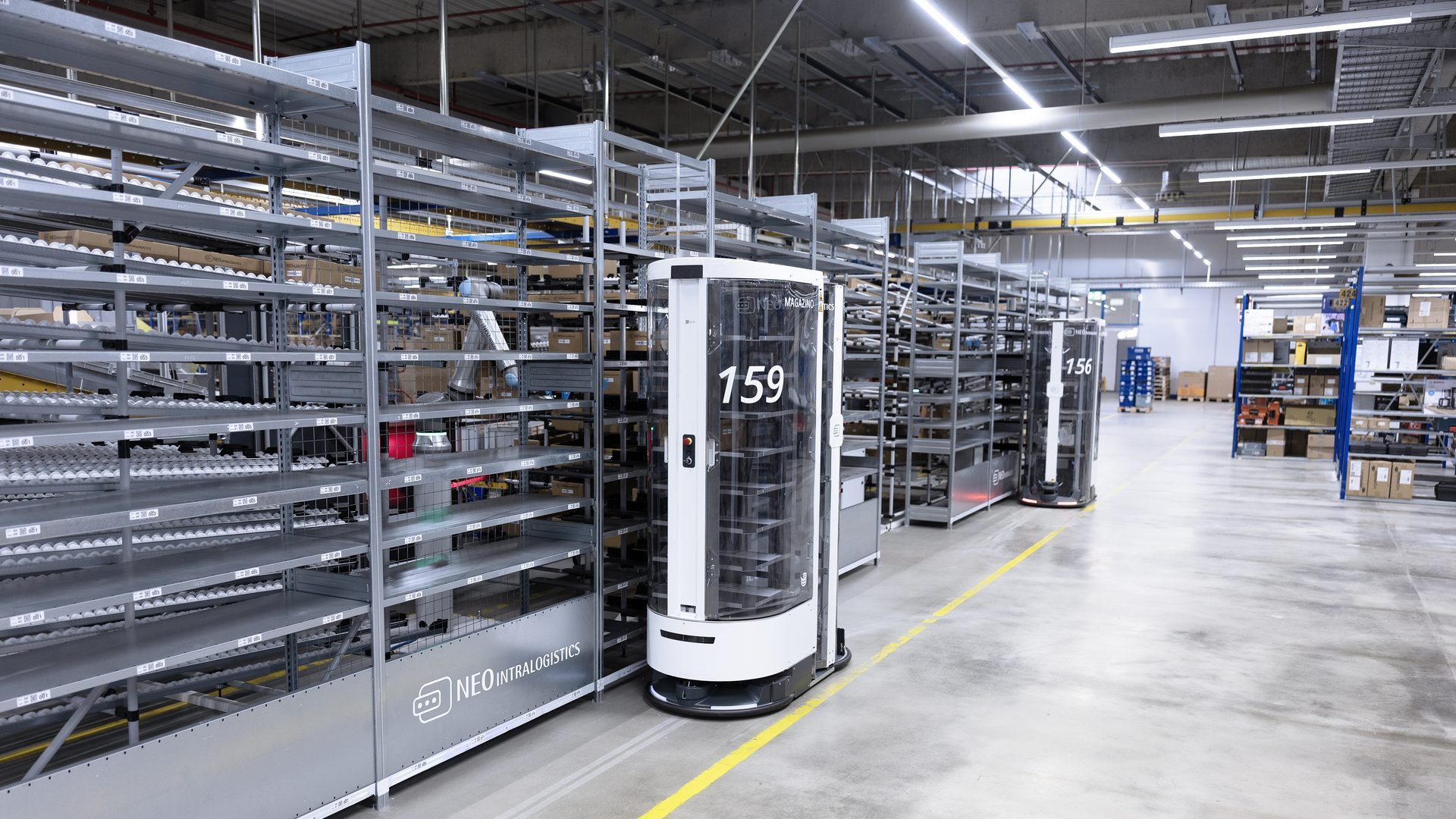
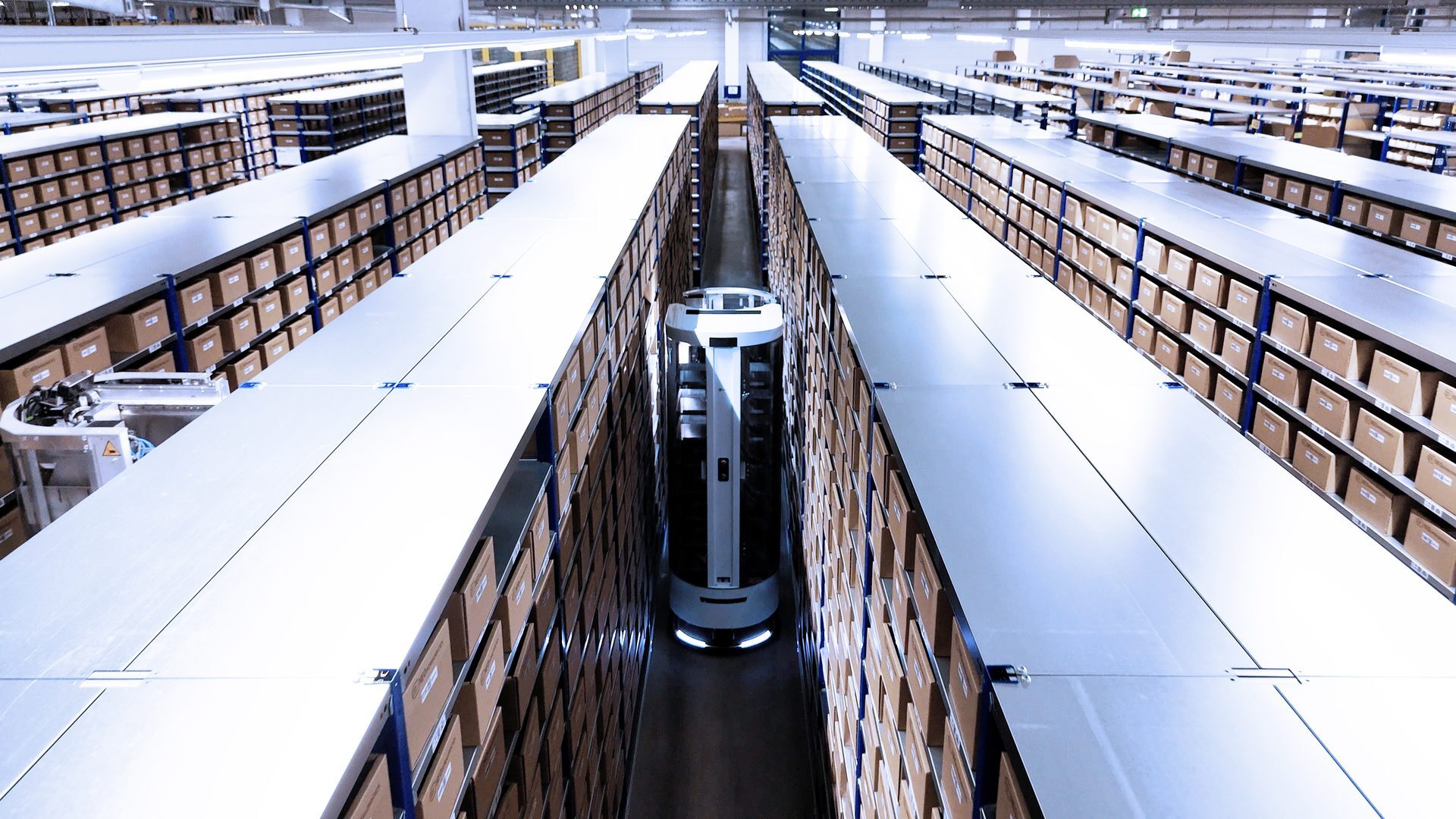
TORU robot fleet in the Versandmanufaktur warehouse - wide-angle view of the scaled solution

The strongest indicator of an automation solution’s success is not the first installation - it is the decision to add more systems.

After the successful production run of the first station, Versandmanufaktur commissioned two additional G2P stations.

Operational reliability

The system proved itself in continuous operation - with real orders, under real conditions, and over an extended period.

Economic viability

The results justified the expansion. Under the pay-per-pick model, each additional station means additional capacity without additional investment risk.

Scalable architecture

NEO is designed so that additional stations and robots can be added without construction. The expansion is an operational event, not a building project.

For the 3PL market, this scaling story is particularly significant: a fulfillment operator that invests its own resources into additional capacity has validated the solution through the hardest test there is - daily business operations.

See how NEO works for 3PL warehouses →

Conclusion

Versandmanufaktur demonstrates how goods-to-person automation works in a demanding 3PL environment: multi-client operations, variable volume, existing shelf racking, and intense cost pressure.

The journey from pilot project through production to scaling across three systems confirms that NEO is not merely a technical feasibility study, but a productive automation solution for operational warehouse environments.
Facing a Similar Challenge? Talk to Us.

Do you operate a 3PL warehouse with shelf racking and need an automation solution that scales with your volume - without investment risk and without rebuilding? We will show you in a demo how NEO would work in your operation. Learn more about warehouse retrofit → | NEO for 3PL warehouses →

Book a demo